
United Airlines Flight UA770 Emergency Diversion
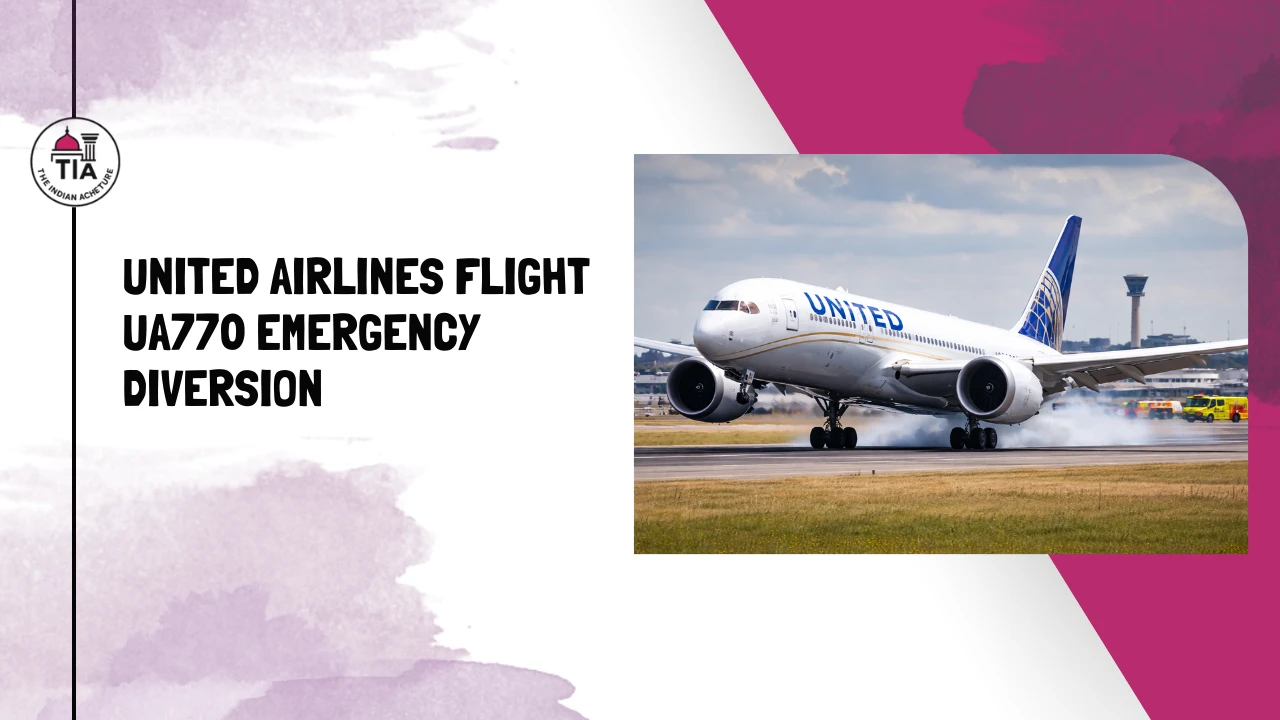
I mean… I still remember the first time I heard the story of United airlines flight UA 770 emergency diversion…. Honestly it did not feel like just another aviation headline but it felt like one of the few moments where routine 10 suddenly turns into a real life safety drill at 37000 feet above…😅😅
A someone who follows aviation very closely and especially the incidents after pure curiosity and a bit of fan energy for aircraft and flight operations I found myself going down a rabbit hole reading timelines and understanding cockpit decisions and some imagining what passenger must have felt when their transatlantic journey changed course..
And this is my attempt to piece together the full story what happened, why it mattered and what it tells us about how modern aviation handles emergencies!
United airlines flight UA 770 emergency diversion!
This instant most widely reported involved United airlines flight UA 770, a Boeing 787-9 dreamliner flying from Barcelona to Chicago. Meet way through the flight the crew detected a cabin pressurisation system alert and that is one of the few warnings pilots never ignore.
At cruising altitude, cabin pressure is what keeps passenger breathing normally, even a small suspected default weather are real or false, can escalate quickly if felt unchecked. That’s why the pilot made the decision to declare an emergency and divert immediately.
Instead of continuing across the Atlantic the aircraft turn around London Heathrow, where emergency stops were placed on standby and the plane landed safely and the most importantly no passenger or crew were injured at all..
To me that single decision to land only does you everything about aviation culture safety first, schedule second….
A Timeline That Feels Straight Out of a Movie
Here’s how I mentally reconstruct the sequence of events:
| Stage | What Likely Happened |
|---|---|
| Takeoff | Normal departure from Barcelona |
| Cruise | Aircraft at ~35,000–37,000 ft |
| Warning | Pressurization system alert detected |
| Decision | Pilots declare emergency (precautionary) |
| Coordination | Air traffic control clears diversion to Heathrow |
| Landing | Safe touchdown with emergency crews on standby |
| Aftermath | Passengers rebooked, aircraft inspected |
Even though there wasn’t any dramatic oxygen mass drop but the the situation was serious enough to trigger a diversion. In aviation a warning is treated as a real problem until proven otherwise!
Why Pressurization Warnings Are a Big Deal
Before this, I never really thought about cabin pressure beyond the ear-popping during descent. But digging deeper made me realize:
- At cruising altitude, outside air is too thin to breathe
- The aircraft’s pressurization system simulates a lower altitude
- A failure can lead to hypoxia within minutes
So when the cockpit receives a pressurization alert, the safest move is:
- Descend to a breathable altitude
- Divert to the nearest suitable airport
That’s exactly what happened on UA770.
Some reports even suggested that the issue might have been a faulty sensor, which still justifies the emergency response.
From a fan perspective, that’s actually reassuring—it shows the system is designed to overreact rather than underreact.
Not Just One Story: Multiple Versions Floating Around
While the Heathrow diversion is the most detailed and widely cited version, I noticed that other write-ups mention:
- A medical emergency as a possible cause in some narratives
- A precautionary landing due to system irregularities in another account
- General references to technical alerts triggering the diversion
As a curious reader, this taught me something important:
Online aviation stories often blend multiple events, routes, or explanations. But the consistent facts across credible summaries remain:
✔ Emergency declared
✔ Diversion executed
✔ Safe landing
✔ No injuries
And honestly, those are the only details that truly matter.
What Passengers Probably Experienced
I always try to imagine the human side.
If I were on that flight, this is how it might have felt:
- A calm announcement from the captain
- A slight change in engine tone during descent
- Cabin crew moving with extra focus
- Phones coming out, people checking flight trackers
- Quiet tension—but no panic
Reports say the crew kept passengers informed, which is crucial for maintaining calm.
After landing, travelers were:
- Rebooked on alternate flights
- Provided accommodation or meal vouchers if needed
So while the journey was disrupted, the outcome was controlled and professional.
How the Crew Actually Handles Something Like This
As an aviation nerd, this part fascinates me the most.
Behind the scenes, several things happen almost instantly:
In the Cockpit
- Warning light appears
- Pilots run a checklist
- Decision made within minutes
With Air Traffic Control
- Emergency code transmitted
- Priority routing given
- Airport prepared for arrival
On the Ground
- Fire and medical teams positioned
- Gate arranged for quick disembarkation
This level of coordination is why diversions look dramatic on flight trackers but are often smooth in reality.
Squawk 7700: The Code That Gets Everyone’s Attention
One detail that caught my eye was the reference to “Squawk 7700”, the universal emergency transponder code.
When a plane squawks 7700:
- ATC gives it priority
- Nearby aircraft maintain distance
- Emergency services prepare automatically
It’s like pressing a global “help” button in aviation.
Comparison: Emergency Diversion vs Normal Diversion
Here’s something I learned that many people don’t realize:
| Feature | Emergency Diversion | Operational Diversion |
|---|---|---|
| Reason | Safety issue (medical, technical, pressure) | Weather, crew hours, congestion |
| Priority | Highest | Moderate |
| ATC Handling | Immediate priority | Standard routing |
| Emergency Services | On standby | Not always required |
| Passenger Experience | Tense but controlled | Usually routine |
UA770 clearly falls into the safety-driven emergency category.
Why This Incident Actually Builds Trust in Flying
Ironically, stories like this make me trust aviation more.
Why?
Because:
- The system detected a problem early
- The pilots didn’t take risks
- The aircraft landed safely
- Everyone walked away unharmed
That’s exactly how aviation safety is supposed to work.
It reminds me that an emergency diversion is not a failure—it’s a success of the safety system.
Fun Facts I Learned While Researching
- Boeing 787 has multiple redundant pressurization systems
- Pilots train for these scenarios in simulators every six months
- Most diversions end safely without injuries
- Pressurization alerts are rare but always treated seriously
The Aircraft: Boeing 787 Dreamliner
As a fan, I can’t ignore the aircraft itself.
The 787 Dreamliner is known for:
- Advanced cabin pressure control
- Higher humidity for passenger comfort
- Real-time system monitoring
So the fact that it detected a potential issue early shows how sophisticated modern aircraft have become.
Lessons for Passengers (Including Me)
If I ever experience something similar, here’s what I’ll remember:
- Stay calm—diversions are precautionary
- Listen to the crew
- Don’t rely on social media mid-flight
- Trust the process
Because the people in the cockpit are trained for exactly this.
The Bigger Picture: Aviation Safety Culture
What impressed me most about the United Airlines Flight UA770 emergency diversion is how routine the response actually was.
No drama.
No chaos.
Just procedures working exactly as designed.
In a way, that’s the real story—not the warning light, but the flawless handling of it.
Final Thoughts
When I first read about UA770, I expected a dramatic emergency. Instead, I found a case study in how modern aviation prevents small problems from becoming big ones.
A warning appeared.
A decision was made.
A plane landed safely.
And hundreds of people continued their journeys.
For me, that’s not just an incident—it’s proof that the layers of aviation safety we rarely think about are always there, quietly doing their job.