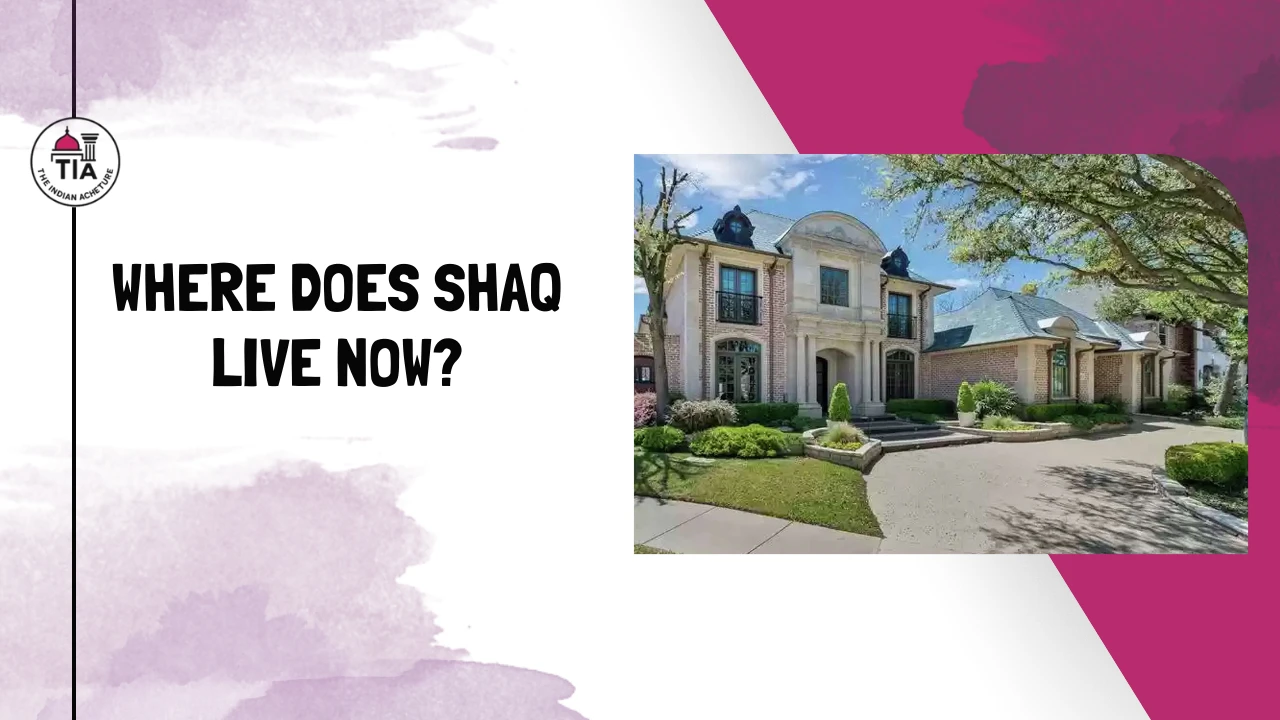
Where Does Donald Trump Live Now? Houses & Net Worth

I know! There have been many articles that you would find written on Donald Trump, but I am going to write it in a different
Read More
I know! There have been many articles that you would find written on Donald Trump, but I am going to write it in a different
Read MoreI have been curious about how legends live their life and often wonder about the same, but when it comes to larger-than-life personalities, no one
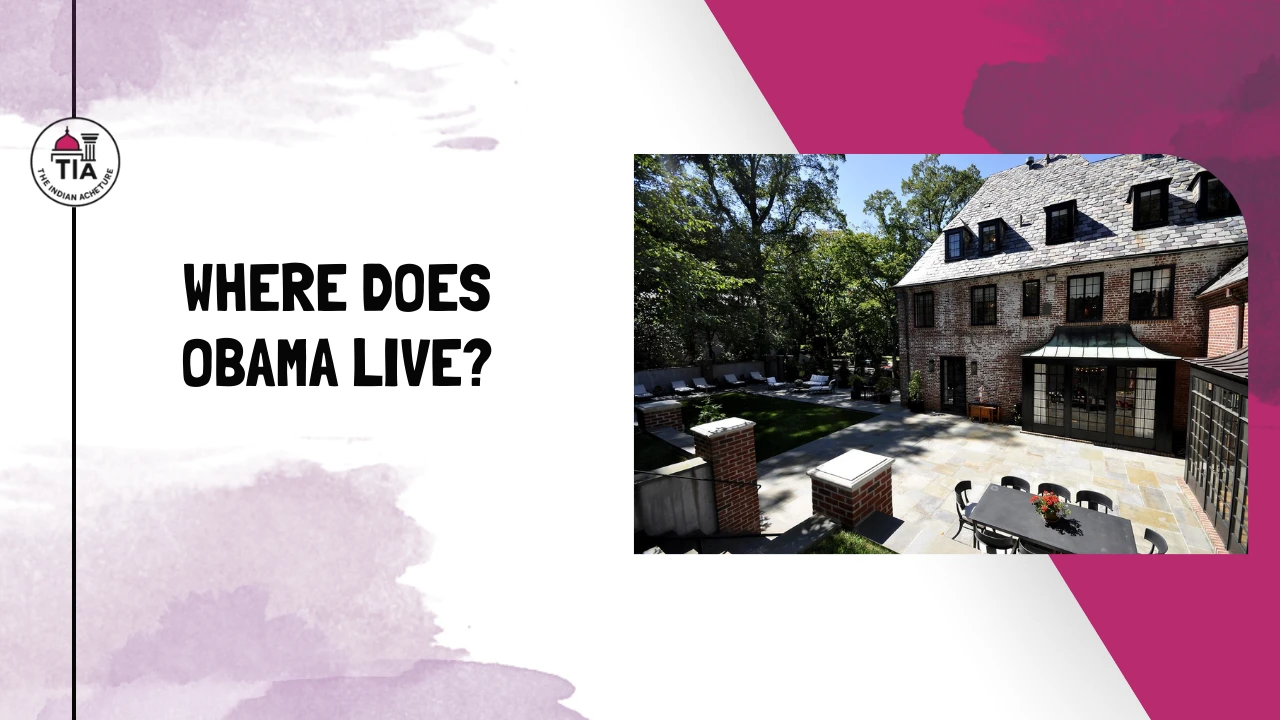
Read MoreToday we are going to talk about the most famous person from a political background, Mr. Barack Obama. I’ve always been curious about where former
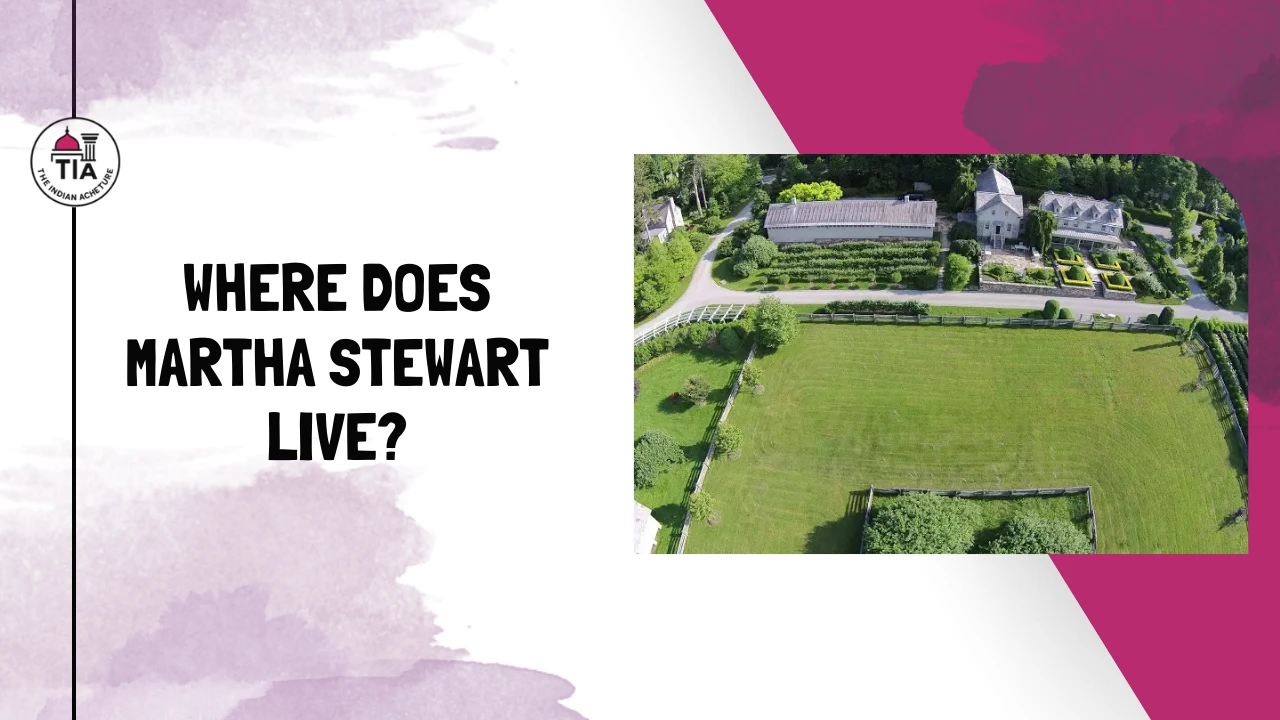
Read MoreI got to know about Martha Stewart from her movie Bad Moms. I really like her acting in that picture. For those who don’t know
Read MoreAre you also into politics? I always wonder about political figures and where they actually live beyond the headlines and the campaign trails. One name
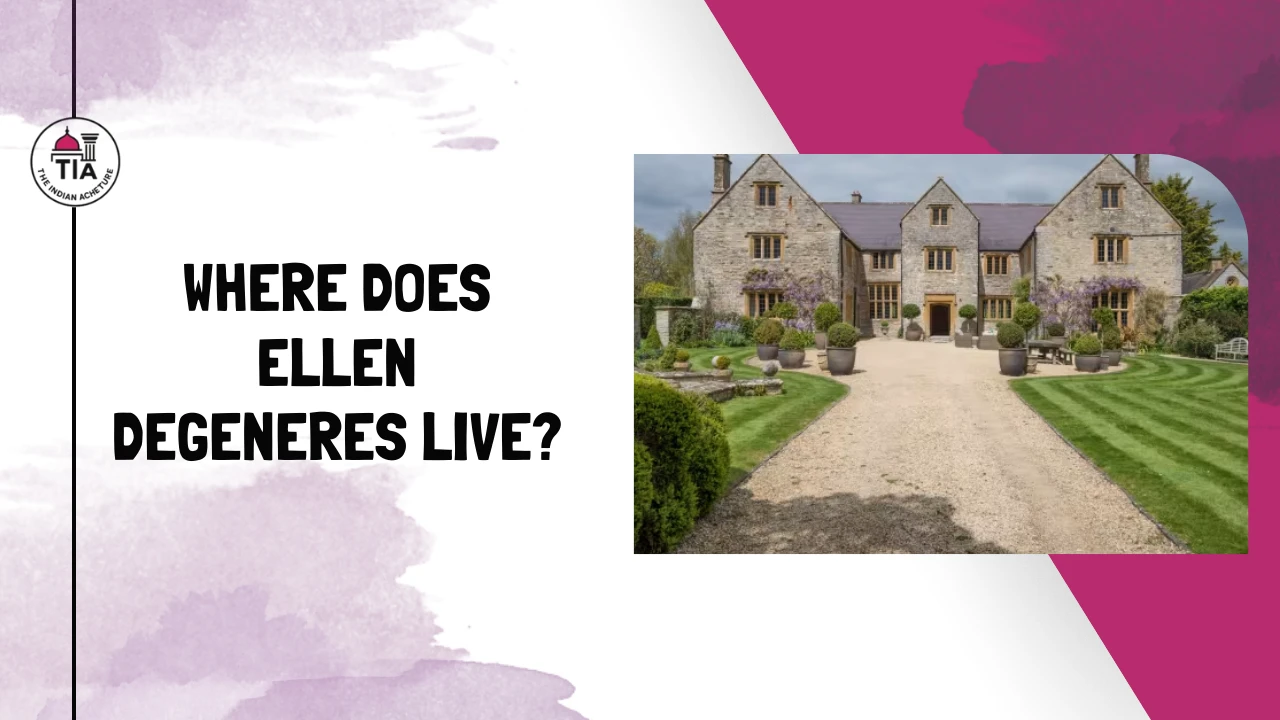
Read MoreI have been watching The Ellen Show for a very long time, but one question keeps coming to my mind because of her house, as
Read MoreI have been a big fan of Drake for more than 5 years now. What I like about him the most is his hairstyle and
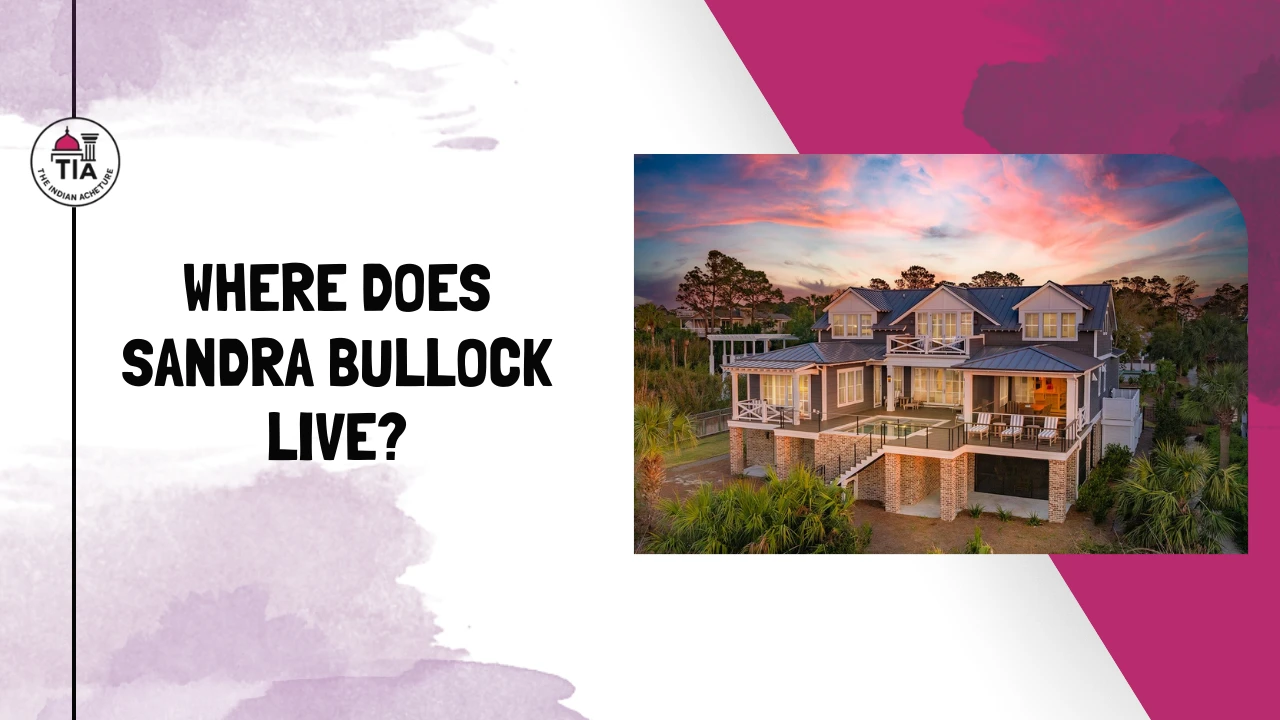
Read MoreWell, who doesn’t know Sandra Bullock? She’s an American actress and film producer too. Did you know her accolades include an Academy Award and a
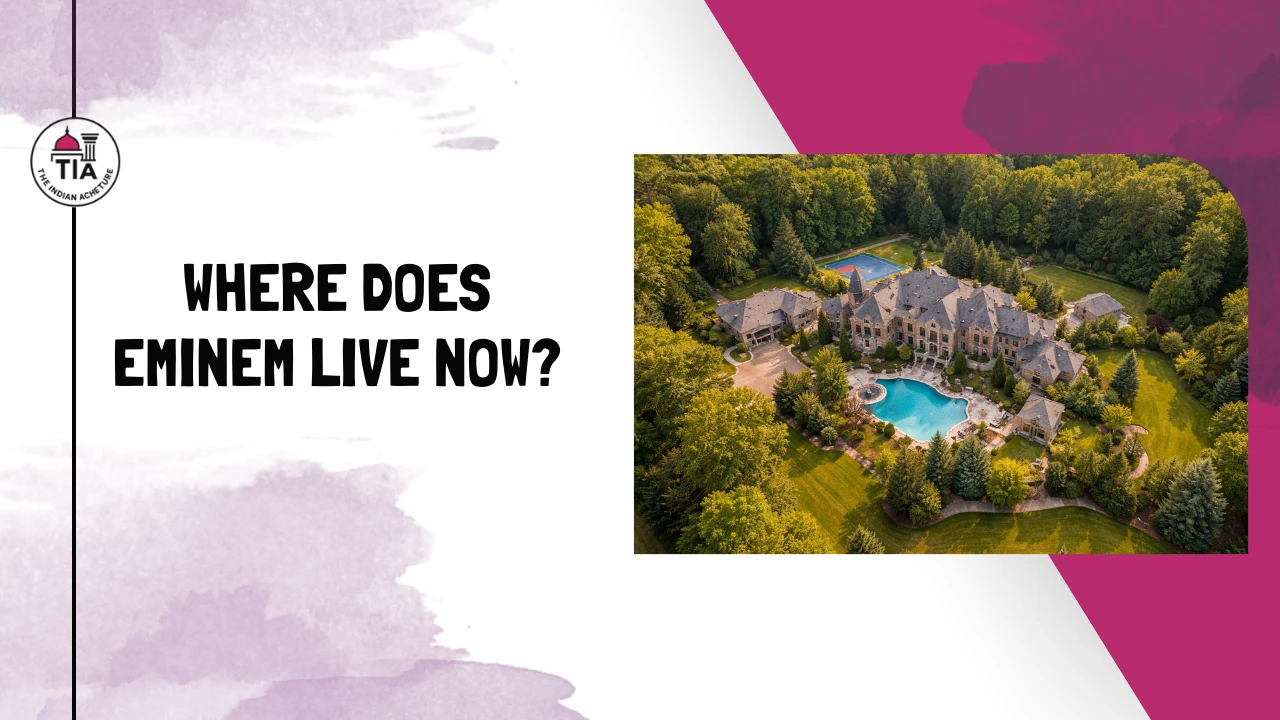
Read MoreAre you also into the rapping industry? Or a big fan of rappers? In that case, you must be knowing Eminem! His full name is
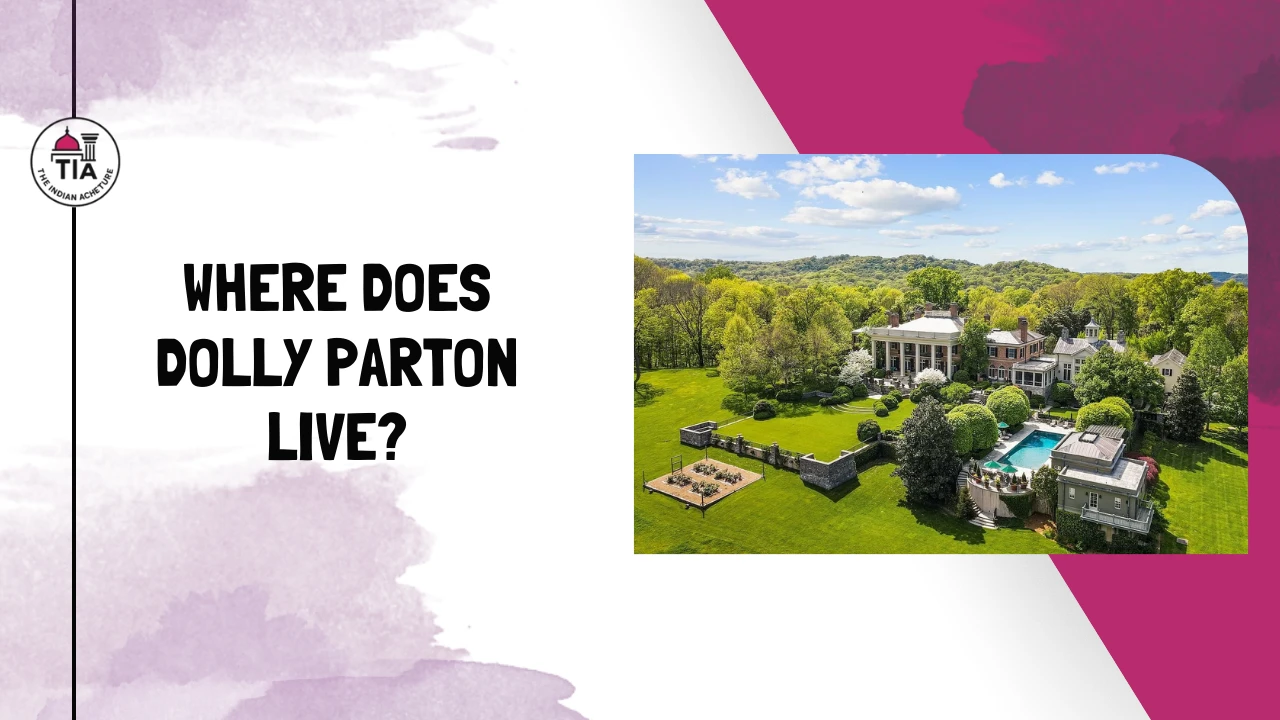
Read MoreAre you really into music? If you do, then you must be knowing Dolly Rebecca Parton, who is an American singer, songwriter, actress, philanthropist, and
Read MoreIndian Architecture draws the attention of the world. The great heritage and style of this land stands out since the time immemorial. The country is home to some of the most awe-struck architectural marvels from the ancient world.
While one catches in astonishment the towering ancient temples and majestic stupa, standing through ancient times up to this day, the intricate carvings on the walls of Khajuraho Temples draws an unbothered focus of the human gaze.
India is the country of diverse cultural, religious, and philosophical heritage which finds a display through the architecture as well.
Each structure reveals a story of a bygone era, portraying the craftsmanship and devotion of the architects, artisans, and rulers who created them.
This article is a humble attempt to explore the key features of Indian ancient architecture, with an effort to delve into prominent styles, materials and underlying philosophies that carved these stones.
Architecture appears to have evolved over millennia, influenced from indigenous traditions & geographical conditions. Earliest trace of Indian Architecture activities dates back to the existence of Indus Valley Civilization (circa 2500 BCE) where ancient cities like Mohenjo-Daro and Harappa revealed to the world advanced urban planning, grid-layouts, drainage systems and well-constructed brick houses.
Coming subsequent period now brings more than lively-hood based construction, in the Vedic period (1500 BCE-500 BCE) architecture merges with spirituality giving shape to altars and fire pits. However, during the Mauryan Empire monumental architecture was encouraged with creation of stupa and pillars.
Religion has made a strong influence on the ways the walls were carved and monuments raised, each religious influence tells a different concept in its own style.
Temples have a significant place in Indian Architecture, broadly the types of temple design can be categorised into 3:
Stupa stands to be the most distinctive feature of Buddhist architecture. Stupas are hemispherical mounds that were home to sacred relics of Buddhism. Sanchi Stupa and Mahabodhi Temples are such sacred examples of Buddhist architecture.
Jain Monuments are known for their marble work and symmetrical designs, although one can notice elements of Nagara and Dravidian styles in Jain structures. Dilwara and Ranak temples are two famous structures made under the psyche of Jain culture.
Islamic Architecture began flourishing in India in the 12th century, when the Delhi sultanate started gaining power, although during the Mughal Period Islamic Architecture was at its Zenith. Islamic style boasts in domes, minarets, intricate calligraphy, geometric patterns, use of gardens is also a very unique feature here in Indian Islamic Architecture. Some significant examples in this category include Qutub Minar, UNESCO World Heritage Taj Mahal.
Christian Architecture in India reflects both, an indigenous touch and obvious colonial influence by missionaries and traders. Some notable examples are San Thome Basilica and St. Francis Church.
Sikhism is the newest religion and thus the most recent form of architecture as well, the monuments rather than investing over intricate details, chosen for functionality as service to the community is what established them as religion during that time. When you see Harmandir Sahib, popularly known as Golden Temple reflects Hindu architectural elements in a broad sense, although the sacred space is more about serene environment achieved through copying natural elements like sarovar (sacred pool).
As the Mughal culture blended with Indian indigenous behaviour the architectural style took some adaptations too, which also makes a good example how culture and geography influences religious behaviour as well through various Indo-Islamic style monuments. During the period Rajput Architectural forts and palaces also became more visible.
Colonial period brought much change to the Indian land, now European styles were being incorporated for the new presumably developing era by the colonisers.
Goa's churches and forts showcase baroque and Manueline styles with local adaptations.
The Victorian-Gothic style is prominent in Mumbai's Chhatrapati Shivaji Maharaj Terminus and Kolkata’s Writer’s Building
French psyche can be traced in the vibrant-villa s and grid like streets of Pondicherry.
As political boundaries shared more business and ideas, globalisation occurred to bring a modern approach to architecture as well. Now the designs are not only to follow the traditions but to make everything more functional, sustainable and aesthetically appealing.
Although, some traditions for Indian households were also lost at the cost of functionality and modern approach, to give an instance Indian Households were always built with a “threshold” to separate the outside from the inside of the house. Traditionally it signified the story of Narasimha Swami. But as well threshold could be a hurdle in moving objects and thus it is nowhere to be found in urban India.
The concept of central courtyard with rooms surrounding is also now a lost concept even in the developing villages that have now adopted modern home designs. In such scenarios whether old traditions are being lost or new traditions are emerging can be something to ponder over.
Some Indigenous styles have been well preserved up to this date, depending on the climatic factors and geographical advantages. Like, mud houses of Rajasthan or Bamboo houses of North East India, remain in existence.
In Contemporary world architecture is about sustainability that Infosys campus stands as an ambassador for, while serene marbles of the lotus temple give aesthetic appeal to the world.
This was an attempt to capsule Indian architecture as a journey, we will bring more knowledge and information. Stay with us to learn more.