
What is Polyvinyl Alcohol Powder, and How Do You Choose PVOH Suppliers?
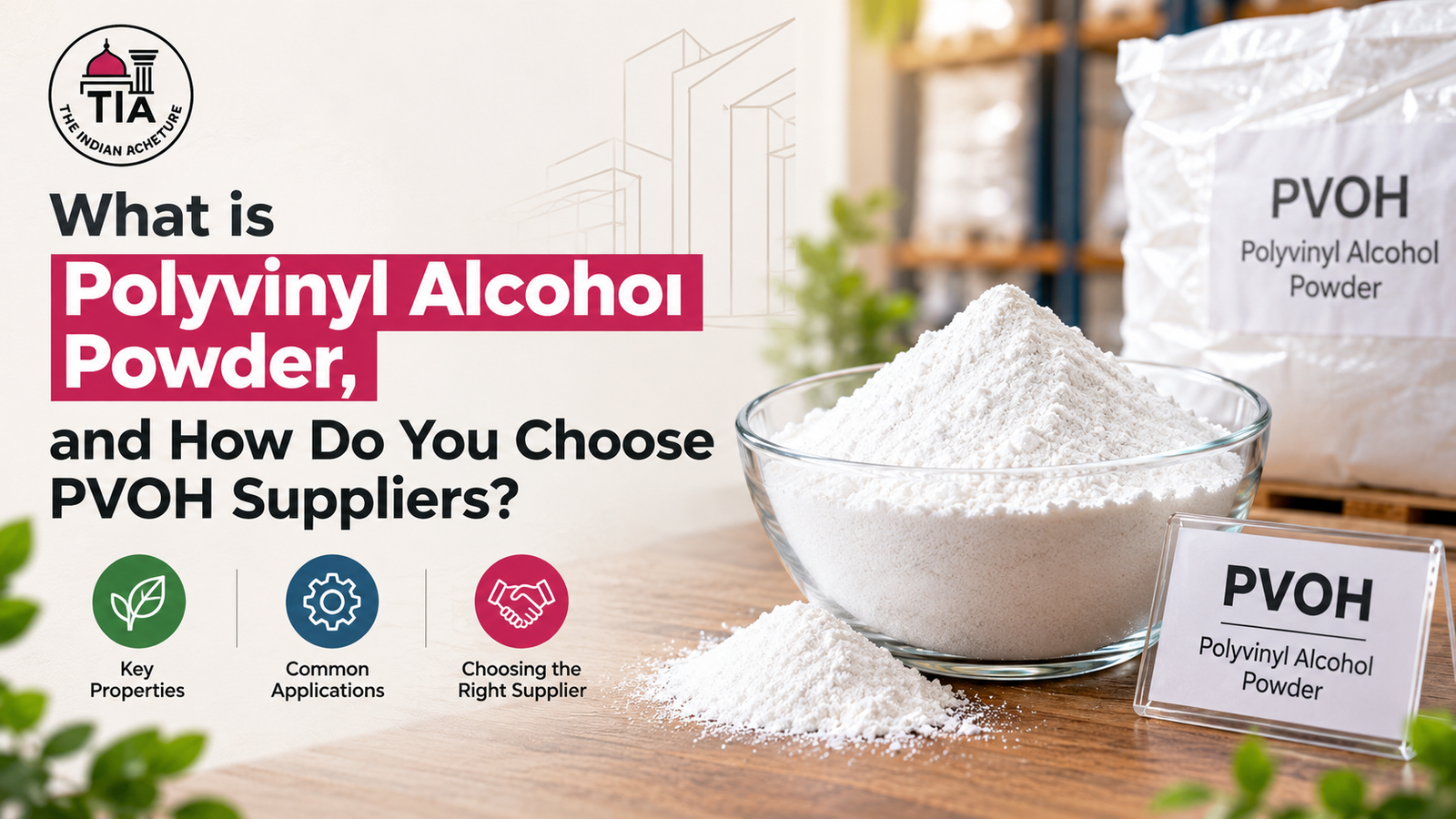
Polyvinyl alcohol powder is a versatile material used in many manufacturing processes. Also known as PVOH or PVA, this polymer offers water solubility, film-forming ability and binding properties. These characteristics make it useful in products ranging from adhesives and paper coatings to textiles and ceramics. Kuraray Poval is Kuraray’s brand of polyvinyl alcohol, with grades developed for different industrial requirements. For businesses purchasing this material, understanding its properties is only part of the process. Choosing suitable pvoh suppliers also requires attention to specifications, documentation and technical support.
Understanding Polyvinyl Alcohol Powder
Polyvinyl alcohol is supplied in different grades, including granular and fine powder forms. Although these products belong to the same polymer family, they should not be treated as interchangeable. Their specifications can differ in degree of hydrolysis, viscosity and particle size. These differences influence how a grade fits a particular formulation or production method. Buyers should identify the exact material required rather than placing an order based only on the general name “PVA powder.” The relevant technical data sheet provides a starting point for comparing products.
A clear purchasing specification should connect the material to its intended function. For example, a company making a paper coating may have different priorities from a manufacturer producing ceramic components. Before contacting suppliers, buyers should describe the application, existing equipment and desired results. This information helps a supplier recommend candidate grades. It also creates a useful reference when evaluating samples, requesting quotations and checking whether a delivered product matches the approved material.
Key Properties That Support Industrial Use
Polyvinyl alcohol powder is valued for the properties it provides after suitable processing. Kuraray identifies film formation, tensile strength, elasticity and dispersing power among the characteristics of its PVOH products. Film formation is useful when a formulation needs a continuous coating, while binding properties help hold materials together. These features explain the polymer’s use across several industries. However, the performance of a finished product depends on the complete formulation, processing conditions and selected grade, rather than the polymer name alone.
Water solubility is another important characteristic, but buyers should understand what it means in practice. Different grades require different preparation conditions. A material described as water-soluble may still need controlled heating and stirring to produce a usable solution. Manufacturers should therefore review the recommended preparation procedure before ordering. Checking whether the available equipment can follow that procedure helps avoid selecting a material that creates unnecessary production difficulties.
Applications in Adhesives and Emulsions
Adhesive production is an established application for polyvinyl alcohol. Kuraray Poval can function as an adhesive ingredient or as a protective colloid in emulsion processes. A protective colloid helps stabilise dispersed polymer particles. Kuraray describes uses involving paper and wood adhesives, along with other bonding applications. The required grade depends on factors such as the adhesive system and expected performance. Manufacturers should assess bonding behaviour, application quality and moisture resistance through trials that represent the intended use of the finished adhesive.
Uses in Paper and Packaging
Polyvinyl alcohol powder also supports the development of paper coatings and packaging materials. PVOH can contribute to barriers against oxygen, grease and mineral oils in suitable coating systems. Kuraray describes applications in coated papers, thermal papers, inkjet papers and release liners. For packaging developers, the important question is how the chosen material performs within the complete packaging structure. Testing should reflect the product being packed and its storage conditions. Food-contact suitability should also be confirmed for the specific grade and intended application.
Supporting Textile Manufacturing
In textiles, polyvinyl alcohol is used for warp sizing, which applies a protective coating to yarn before weaving. Kuraray’s textile information describes benefits involving yarn toughness, smoothness and abrasion resistance. Suitable sizing systems can also allow removal through hot-water desizing. When evaluating a material, textile manufacturers should examine both weaving performance and the later removal process. Recording yarn breakages, production interruptions and desizing results can help determine whether a candidate grade meets the needs of the mill.
Acting as a Ceramic Binder
Ceramic manufacturers use polyvinyl alcohol as a temporary binder to help hold particles together before firing. The strength of an unfired ceramic component is commonly called green strength. Kuraray Poval is used in ceramic formulations where this handling strength is important. Grade selection depends on the ceramic compound and forming process. Manufacturers should evaluate the binder during forming, drying and firing, paying attention to handling damage and finished-part quality. Application testing helps establish whether the material is suitable for a particular production method.
Selecting the Right Powder Grade
Two important selection factors are viscosity and degree of hydrolysis. Viscosity values must be compared under the stated measurement conditions. Degree of hydrolysis influences resin solubility and film properties. Kuraray offers grades across different ranges of these characteristics, allowing manufacturers to investigate options for their requirements. A useful comparison should include the test method as well as the reported value. Similar product descriptions do not necessarily mean that two grades will behave identically in a customer’s formulation.
Buyers should also separate required specifications from preferred features. Required specifications are those the material must meet for the process to work. Preferred features may offer additional convenience or potential savings. Defining this distinction makes supplier discussions more focused. It also helps prevent a decision based entirely on price or a single attractive property. Where possible, candidate grades should be evaluated against the same written trial criteria.
Preparing Polyvinyl Alcohol Powder
Preparation should follow the instructions for the selected grade. Kuraray’s general guidance involves adding the polymer to water with agitation, followed by controlled heating. It distinguishes between partially and fully hydrolysed grades because their dissolution behaviour differs. Adding material too quickly or using unsuitable conditions can create lumps and complicate preparation. Operators should confirm that the solution is properly prepared before using it in production. Temperature, mixing time and concentration should be recorded so successful batches can be reproduced consistently.
What to Ask PVOH Suppliers
When comparing PVOH suppliers, request the exact grade name, current technical data sheet, safety data sheet and relevant quality documentation. Ask whether a certificate of analysis can accompany shipments and how batches are identified. Buyers should also clarify minimum order quantities, packaging, lead times and sample availability. These questions create a more complete purchasing comparison. A quotation becomes easier to assess when the offered material and delivery terms are clearly defined, with any outstanding questions resolved before an order is placed.
Technical support should be evaluated through practical questions. Explain the application and ask how the supplier would help select a grade or investigate a preparation problem. Requesting a sample gives the production team an opportunity to evaluate the material before a larger purchase. For Kuraray Poval, buyers can use the manufacturer’s product information and contact channels to discuss applications and sample requests. The final decision should still reflect the results achieved in the buyer’s own process.
Comparing Cost and Maintaining Quality
The lowest price per kilogram does not provide the full purchasing picture. Businesses should also compare freight, preparation work, trial costs and the amount of material needed to achieve the required result. Documenting these factors helps purchasing and production teams assess value together. Once a grade is approved, keep a record of its specification and trial results. Polyvinyl alcohol powder is best selected through a combination of reliable product information and practical testing. Working with PVOH suppliers who provide clear answers and consistent documentation can make that process more manageable.