
Visualising Your Home Interior Before Renovation: Simple Things That Help
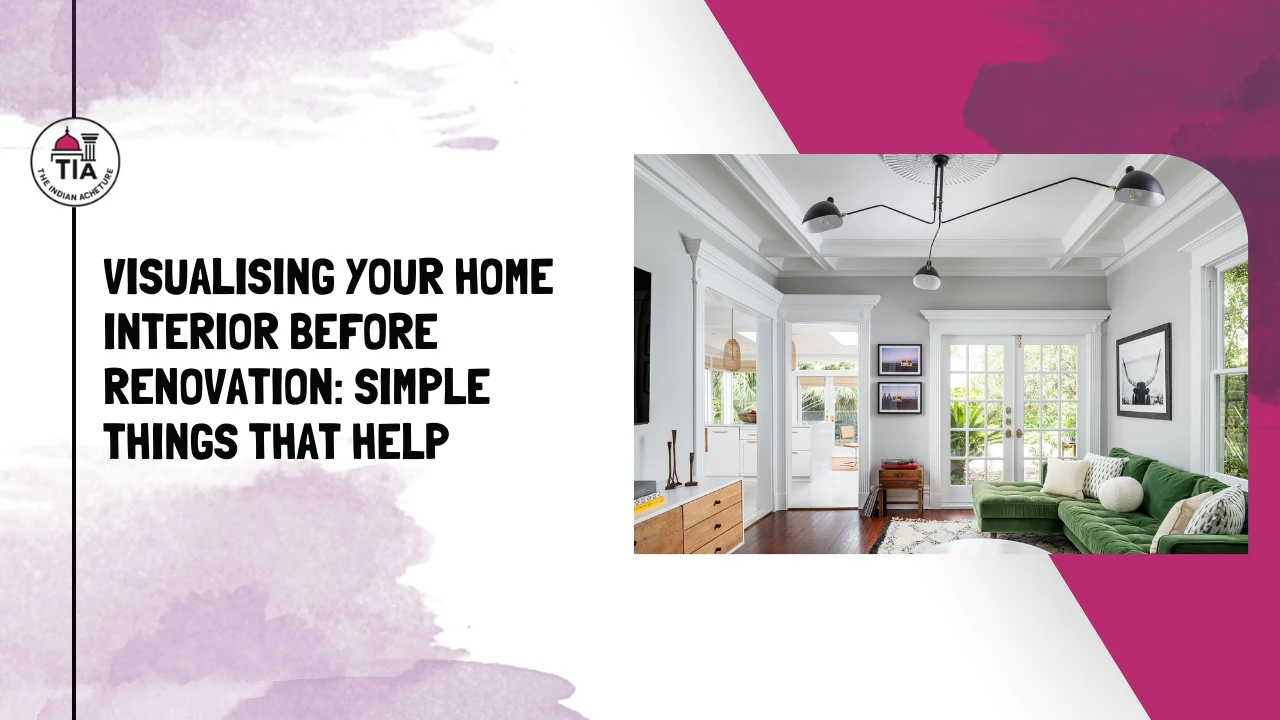
When people talk about home renovation, they usually focus on colours, furniture, or budgets. From my experience, the harder part is something else — trying to see the space before it changes. Drawings and measurements help, but they rarely show how a room will actually feel once everything is in place.
I learned this during my first renovation. I thought I had a clear plan, but once the work started, I realised that many decisions were based on assumptions. Some worked. Others didn’t. Over time, I found a few practical ways to visualise interiors more realistically before committing to final choices.
One thing I also noticed is that uncertainty doesn’t come all at once. It builds slowly. You make one decision, then another, and suddenly you’re no longer sure if they belong together. That’s usually when stress starts creeping in.
Think About Daily Use, Not Just Design Ideas
At the beginning, I focused too much on how the interior should look and not enough on how it would be used. Where would I sit most often? Where would I naturally drop my bag or laptop? Which areas needed to feel calm, and which could be more flexible?
During my first renovation, I ignored these questions. The space looked fine, but it never fully worked. Later, when I started planning around daily habits instead of ideal layouts, things changed. The interior became easier to live with, not just easier to photograph.
Inspiration Is Useful, but It Can Also Be Misleading
Interior blogs and social media are great for ideas, but they often show ideal conditions. Large spaces, perfect lighting, and no visible compromises. It’s easy to forget that most homes don’t look like that in real life.
I still collect inspiration images, but I’m more selective now. I pay attention to room size, ceiling height, and how realistic the arrangements are. Comparing inspiration with the real dimensions of my space helped me avoid disappointment later.
Proportions Matter More Than Colours
One thing I underestimated was scale. Furniture that looked fine online felt too large once delivered. Walkways became tighter than expected, and the room felt heavier overall.
That’s when I started paying more attention to proportionality. Tools like 3d interior rendering allowed me to understand how furniture, walls, and circulation interact in a real room. It wasn’t about making everything flawless; it was about identifying problems early on, before they became costly.
Lighting Changes Everything
Light is unpredictable. A colour that looks soft in the afternoon can feel dull or too strong at night. I made the mistake of choosing finishes without thinking about how light moves through the room during the day.
After that experience, I started testing ideas under different lighting conditions. Visualising interiors with realistic light made a noticeable difference and helped avoid repainting or replacing fixtures later on.
Combine Elements Instead of Choosing Them Separately
Earlier, I used to select floors, wall colours, and furniture one by one. Everything looked fine individually, but together it didn’t always feel right. Something was always slightly off.
Seeing these pieces mixed made me realize how fast a place can become unbalanced. It also helped to simplify decisions and minimize superfluous additions.
Small Spaces Require Particular Attention
In smaller rooms, errors are more visible. There is less area to hide them. A single big piece might take up the entire space.
Visualising layouts helped me decide where to keep things minimal and where storage was actually necessary. It also highlighted areas where leaving space empty was the better option.
Take Time Before Final Decisions
Even after visualizing a space, I learnt to avoid rushing. Looking at layouts again after a few days frequently altered my perception. Things that felt right at first may later become unneeded.
Those pauses allowed me to make more calm decisions and limit the number of adjustments required throughout refurbishment.
Final Thoughts
Visualising a home interior before renovation doesn’t guarantee perfect results. What it does is reduce uncertainty. It helps you understand your space before committing to changes that are hard to undo.
For me, this technique made renovations more manageable. Not easy, just clearer. And the clarity made all the difference.
Also Read: